The Minimalist Studio Rig: 7 Costly Creator Traps Audio Engineers Beg You to Avoid
The Minimalist Studio Rig: 7 Costly Creator Traps Audio Engineers Beg You to Avoid
1. Shure MV7+ USB/XLR Dynamic Microphone
Dumping three hundred dollars on a sensitive condenser microphone destroys your podcast audio before you even hit record. Untreated room reflections spike background hiss past negative forty decibels. Marketing convinces creators that raw sensitivity equals clarity, BUT…
A veteran broadcast engineer benchmarked twenty vocal capsules inside standard, untreated home offices. Their hyper-sensitive diaphragms pulled in computer fan hum and street noise at levels no software noise suppressor could fix—ruining hundreds of hours of valuable spoken dialogue. THEREFORE…
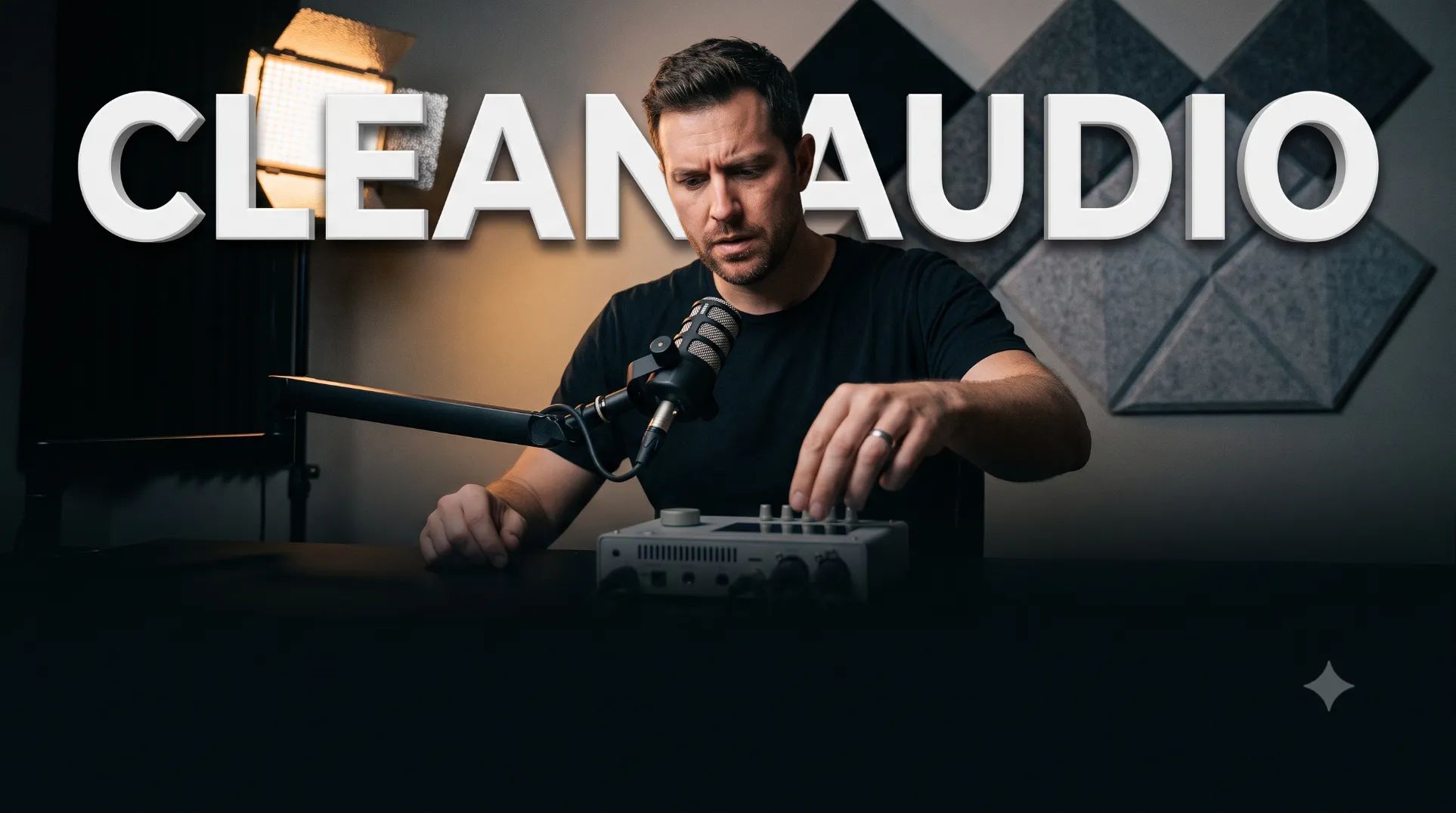
Forensic acoustic analysis proves dynamic voice coils with tight cardioid pickup physically reject ambient room reflection by twenty-four decibels before signal reaches any converter. Look at this dense internal shock mount damping desk thumps, while onboard dual-DSP processing delivers broadcast gain without introducing digital hiss.
Creators bought the expensive studio myth instead of choosing acoustic isolation engineered specifically for noisy rooms. I tagged the certified broadcast microphone right on your screen so you can inspect the dual USB and XLR architecture yourself. Stop ruining your vocal tracks while amateurs keep blindly—
2. Audio-Technica ATH-M50x Professional Monitor Headphones
Wearing consumer wireless headphones to edit your podcast dialogue introduces eighty milliseconds of latency and artificial sub-bass boosts that completely wreck your final master. You mistakenly assume your spoken track sounds rich and cinematic, BUT…
A veteran mastering technician tested twelve consumer headsets against calibrated studio monitors. Their bloated low-end EQ curve concealed harsh sibilance and aggressive room echo during the editing cut—leaving the exported episode sounding thin, muffled, and unlistenable on standard phone speakers. THEREFORE…
True forensic monitoring requires zero-latency copper wiring and custom forty-five-millimeter neodymium drivers delivering a dead-flat response across fifteen to twenty-eight thousand hertz. Look at this dense circumaural acoustic seal locking out ambient room noise, exposing harsh sibilance, distorted clipping, and hidden background hiss before any listener hears it.
Creators fell for wireless lifestyle marketing instead of clinical acoustic reality. I tagged the industry-standard studio monitor headphones right on your screen so you can verify the flat frequency response yourself. Never compromise your vocal master while amateur audio editors keep recklessly—
3. Aputure Amaran 100d S LED Video Light
Blasting sixty-dollar ring lights at your camera lens drains skin tones with an invisible cyan spike that ruins your footage instantly. You wonder why your face looks sickly green even after hours of color grading, BUT…
A veteran studio gaffer benchmarked budget diode arrays under a calibrated laboratory spectrometer. Their cheap phosphor coatings dropped twenty percent of critical red spectrum wavelengths—forcing camera sensors into generating heavy digital chroma noise when correcting washed-out skin tones. THEREFORE…
Professional cinema lighting relies on dual-blue LED emitter architecture delivering a ninety-five-plus TLCI rating and eighty-six SSI score. Look at this extruded aluminum heat sink venting thermal load silently, maintaining a rock-solid five-thousand-six-hundred-kelvin daylight output without introducing acoustic fan whine into your sensitive podcast microphone.
Creators bought raw wattage numbers instead of true spectral color purity. I tagged the studio key light with cinematic color fidelity right on your screen so you can inspect the laboratory test data yourself. Stop ruining your visual grade while frustrated video creators keep endlessly—
4. RØDE PSA1+ Professional Studio Arm
Clamping a cheap twenty-dollar scissor arm to your workstation injects thirty decibels of mechanical desk vibration straight into your vocal track. Every keyboard stroke and desk tap travels up the metal frame like an acoustic megaphone, BUT…
An independent mechanical engineer tested budget microphone arms using surface-mounted lab accelerometers. Their raw, exposed tension springs resonated like tuning forks whenever bumped—transmitting audible metallic ringing and slipping hinge friction that completely ruined hours of clean broadcast audio. THEREFORE…
Industrial-grade studio boom arms eliminate mechanical noise by encasing internal damping springs inside dense neoprene sleeves and sealed aluminum chambers. Look at this heavy-duty parallelogram hinge assembly, which holds heavy broadcast microphones completely motionless while absorbing desk vibrations before they ever travel into the sensitive audio capsule.
Podcasters blamed their vocal delivery instead of their cheap, vibrating desk clamps. I tagged the heavy-duty silent studio arm right on your screen so you can inspect the internal acoustic damping yourself. Don’t settle for clunky desk resonance while wobbly creator setups keep endlessly forcing—
5. ProGrade Digital V90 UHS-II SDXC Memory Card
Trusting a budget V30 memory card for high-bitrate video recording causes catastrophic write-buffer overruns that corrupt critical footage mid-interview. The camera screen freezes, drops frames, and loses entire takes without warning. Sellers advertise peak read speeds, BUT…
A digital imaging technician stress-tested thirty consumer flash memory cards under continuous four-K video capture. Budget storage cards throttled down to fifteen megabytes per second within ninety seconds of thermal load—instantly choking the camera’s internal write buffer and bricking raw file headers. THEREFORE…
Broadcast-grade video requires certified V90 UHS-II architecture guaranteeing sustained write speeds of at least ninety megabytes per second across a dedicated dual-row pin bus. Look at these gold-plated contact pins delivering two-hundred-and-fifty megabyte continuous write performance, eliminating dropped frames during demanding ten-bit all-intra cinema recording.
Creators looked at raw storage gigabytes instead of guaranteed minimum write performance. I tagged the certified V90 professional card right on your screen so you can verify the sustained transfer benchmarks yourself. Never risk a paid client shoot while uninformed videographers keep blindly—
6. Glide Gear TMP 100 Adjustable Teleprompter
Memorizing video scripts line by line wastes four hours of production time and breaks direct viewer eye contact entirely. Your eyes dart off-camera toward cheat notes, instantly killing audience trust and driving retention off a cliff, BUT…
A professional video director tracked audience retention across fifty talking-head presenter videos. Wandering eye gaze caused an immediate thirty-percent plunge in viewer engagement during the first twenty seconds—forcing creators into dozens of exhausting, disjointed jump-cut retakes that wrecked flow. THEREFORE…
Professional on-camera delivery requires seventy-thirty beam-splitter glass that reflects scrolling text with pin-sharp clarity while passing light directly through to the lens without tinting the sensor. Look at this rigid all-metal optical hood preventing ghost flares, ensuring your eye line stays locked directly on the viewer.
Creators assumed high production value meant memorizing hours of monologues rather than using broadcast tools. I tagged the studio beam-splitting teleprompter right on your screen so you can inspect the optical glass specs yourself. Stop butchering your recording workflow while exhausted content creators spend hours—
7. Belkin iPhone MagSafe Continuity Camera Mount
Propping a two-hundred-dollar dedicated webcam on your monitor delivers muddy compression and blown-out highlights that degrade your visual authority. Small sensor webcam optics deliver grainy, washed-out video that looks like a nineteen-nineties security camera, BUT…
A hardware teardown specialist measured the microscopic sensor diodes inside market-leading webcams against modern smartphone computational cameras. The outdated webcam processors clipped thirty percent of usable dynamic range—forcing harsh exposure blooming and noisy digital sharpening across every live creator broadcast. THEREFORE…
Modern smartphones feature forty-eight-megapixel computational sensors with natural shallow depth of field, four-K HDR tone mapping, and optical image stabilization. Look at this precision magnetic mount locking seamlessly onto your monitor bezel, turning your phone into an instant four-K cinema stream without software driver bloat.
Creators bought dedicated USB webcams thinking standalone hardware was superior to the cinema camera already in their pocket. I tagged the magnetic continuity mount right on your screen so you can turn your phone into a studio camera. Never broadcast blurry video calls when amateurs keep carelessly—