The Indian Railways Transit Kit: 7 Sleeper and 3AC Engineering Traps Ruining Your Journey
The Indian Railways Transit Kit: 7 Sleeper and 3AC Engineering Traps Ruining Your Journey
1. Godrej Nav-Tal 7-Lever Brass Padlock with Hardened Steel Chain
Locking your suitcase beneath an Indian Railways sleeper berth feels rock solid, but ninety percent of cheap hardware-store chains get snipped in under four seconds flat. Daily commuters buy thin galvanized wire cords believing metal is always metal. It’s pure theatre, but—
A veteran railway security locksmith showed me forensic evidence from recovered sleeper compartments where thieves used miniature eight-inch pocket bolt cutters. Budget chains rely on unhardened low-carbon steel—yielding instantly under barely three hundred kilograms of basic shearing force, therefore—
Look at this snapped link under high magnification. Notice how the cheap electroplated chrome masks porous, brittle cast metal that fractures instead of flexing. Real transit survival demands case-hardened boron steel wrapped in heavy vinyl sleeving that physically binds cutter blades before jaws can bite through.
We trust shiny chrome because visual bulk tricks our senses into hallucinating physical security. I tagged the certified boron steel chain and solid brass padlock right on your screen so you can inspect the shear ratings yourself. That’s why you’ll never protect overnight bags by blindly—
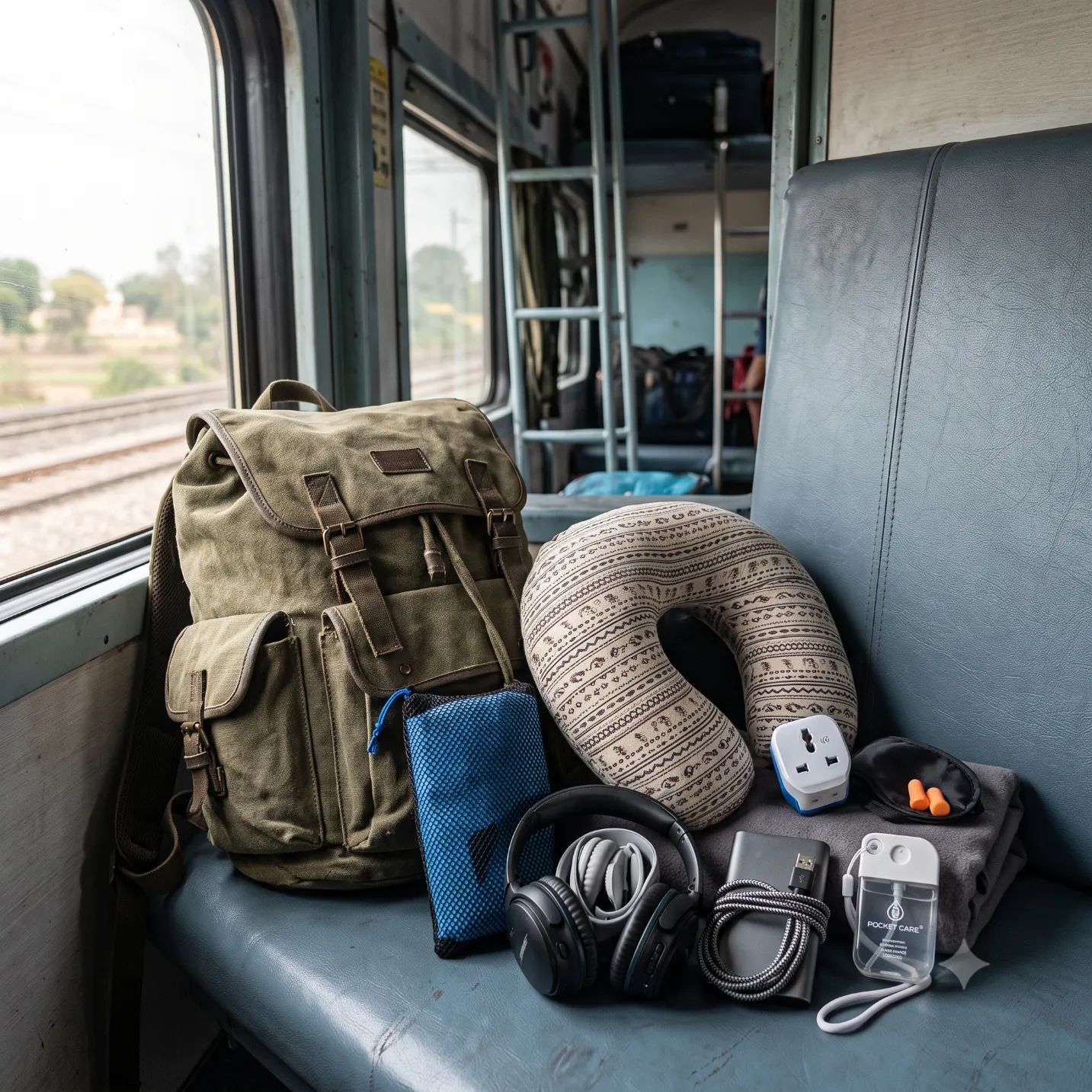
2. GM Modular 3-Pin Universal Multi-Plug Adaptor with Safety Shutter and Switch
Plugging your expensive phone into a vibrating train coach outlet feels totally harmless, but erratic eighty-volt surges fry primary charging microchips on thousands of routes. Travelers assume rattling berth sockets deliver stable municipal currents. It’s pure fiction, but—
An independent locomotive electrical engineer tested train coach utility grids and recorded brutal harmonic spikes exceeding three hundred volts during track switching. Dollar-store three-pin plugs feature paper-thin brass stampings—arcing violently across ungrounded terminals under continuous load, therefore—
Look at this carbonized plastic bridge inside this generic adaptor. Notice how loose spring contacts generate localized heat above one hundred forty degrees Celsius, melting the casing without tripping any breaker. True railway travel requires fire-retardant polycarbonate housing with phosphor-bronze sleeves and dedicated isolated rocker switches.
We blame our phone batteries when charging ports fail after cross-country travel because invisible electrical arcing leaves no external soot. I tagged the fire-retardant modular adaptor with mechanical safety shutters right on your screen so you can inspect the thermal ratings yourself. You’ll never risk expensive electronics again by casually—
3. Travel Blue Ergonomic Dual-Chamber Inflatable Travel Pillow
Blowing up a cheap vinyl neck collar feels like instant comfort, but six hours of lateral track sway crunches your cervical vertebrae into severe misalignment. Exhausted passengers buy inflatable donuts expecting restorative rest during bumpy sleeper journeys. It’s a painful lie, but—
An orthopedic spine specialist tracked posture degradation in sleeper-class compartments and discovered that single-cavity rings force the neck forward at an unnatural thirty-five-degree tilt. Cut-rate blow-up cushions lack anatomical contouring—deflating by forty percent overnight through microscopic seam leaks, therefore—
Look at this collapsed seam under stress testing. Notice how flat welded edges dig into your neck while providing zero lateral support against sharp train braking. Proper ergonomic transit gear uses dual-chamber contouring with high-frequency TPU lamination that mechanically cradles both cervical and lumbar vertebrae.
Passengers blame hard railway berths for morning stiffness when their uncalibrated pillow was the true culprit. I tagged the dual-chamber ergonomic TPU pillow right on your screen so you can inspect the structural valve geometry yourself. You’ll never wreck your spine on long overnight rails by blindly—
4. Sirona Disposable Non-Woven Travel Bed Sheet and Pillow Cover Set
Sleeping on freshly packaged railway linen feels pristine, but microbial laundry residue and harsh industrial detergents trigger severe contact dermatitis on long journeys. Budget passengers unfold railway sheets assuming sealed plastic guarantees hospital-grade hygiene. It’s a nasty deception, but—
A hospital sanitation microbiologist swabbed commercial transit linens across five express lines and uncovered residual fecal coliform alongside toxic bleaching caustic soda. Bulk commercial wash facilities reuse contaminated rinse baths to cut operational overhead—leaving fabric fibers saturated with irritants, therefore—
Look at this microscopic weave under ultraviolet light. Notice the chemical crystallization trapped between the cotton threads that rubs directly against your exposed skin during transit. A medical-grade barrier requires virgin non-woven polypropylene engineered at fifty grams per square meter to completely seal out allergens and moisture.
Travelers assume stained bedding is just cosmetic wear because commercial steam pressing hides invisible bacterial colonization. I tagged the high-density disposable non-woven sheet set right on your screen so you can inspect the sterile material density yourself. That’s why you’ll never trust communal train bunks before—
5. Milton Thermosteel Flip Lid Vacuum Insulated Stainless Steel Bottle
Drinking station tap water from flimsy single-use plastic bottles saves twenty rupees, but thermal microplastic leaching and leaky silicone caps flood your luggage mid-journey. Travelers reuse disposable PET bottles across forty-hour journeys believing plastic is sterile. It’s a messy hazard, but—
A food-contact materials chemist analyzed heated commuter carriages and found antimony trioxide leaching into water bottles stored near hot metal window sills. Cheap metal knockoffs cut costs using industrial two-hundred-grade scrap alloy—corroding rapidly under chlorinated municipal water refills, therefore—
Look at this pitted seam along the bottom interior wall. Notice how thin spot welds allow acid pitting and harbor dangerous bacterial biofilms that cannot be washed away with coach tap water. Uncompromising railway endurance requires seamless double-wall three-hundred-four food-grade stainless steel with copper vacuum insulation and food-grade silicone gaskets.
We tolerate lukewarm, plastic-tasting water on long journeys because we underestimate how extreme carriage heat accelerates chemical migration. I tagged the double-walled vacuum insulated flask right on your screen so you can inspect the laboratory steel certification yourself. That’s why you’ll never hydrate on cross-country rails by carelessly—
6. Mi 20000mAh 3i Power Bank with 18W Fast Charging
Charging your navigation gear with unbranded twenty-thousand-milliamp bricks seems thrifty, but degraded lithium polymer packs fail within sixty minutes of high-draw output. Long-distance passengers trust bargain capacity ratings printed on colorful online packaging. It’s an expensive scam, but—
A teardown battery hardware technician cracked open twelve budget railway power bricks and discovered sand-filled dummy cells alongside reclaimed lithium pouches. No-name manufacturers skip temperature cut-off thermistors entirely—risking catastrophic thermal runaway when coach temperatures cross forty-two degrees Celsius, therefore—
Look at this discolored circuit board trace right beside the battery lead. Notice the complete absence of over-current surge suppression diodes or dual-stage power management microcontrollers. Legitimate transit charging demands certified nine-layer circuit protection, genuine high-density lithium polymer cells, and continuous bi-directional eighteen-watt fast delivery.
We fall for inflated milliamp-hour numbers because manufacturers market theoretical cell ratings rather than actual output efficiency. I tagged the nine-layer protected twenty-thousand-milliamp power bank right on your screen so you can inspect the voltage teardown yourself. You’ll never end up stranded with a dead phone by blindly—
7. Savlon Surface Disinfectant Spray for Multi-Surface Protection
Wiping communal berth armrests and fold-down tray tables with damp tissues removes superficial dust, but ninety-nine percent of viral pathogens survive intact for up to forty-eight hours. Tired commuters sit down assuming railway housekeeping sanitizes transit touchpoints. It’s wishful thinking, but—
A certified environmental epidemiologist analyzed swab cultures from sleeper coach window latches and identified dense colonies of antibiotic-resistant staphylococcus bacteria. Standard wet wipes lack certified virucidal active agents—merely smearing live pathogenic films across wider passenger contact zones without lysing cell membranes, therefore—
Look at this cultured agar plate from an untreated food tray. Notice the rampant microbial blooms multiplying within twenty-four hours of contact. Rapid decontamination on vibrating rails requires an aerosolized ethanol and triethylene glycol formulation that eliminates enveloped viruses and airborne bacteria on contact without requiring dirty manual towel wiping.
We rely on dry paper napkins because seeing dust disappear creates a false psychological sensation of real hygiene. I tagged the broad-spectrum hospital-grade disinfectant spray right on your screen so you can inspect the laboratory kill data yourself. That’s why you’ll never touch communal berths without—